
How much sugar is enough?
The World Health Organization (WHO) recommends that adults and children limit free sugars to less than 10% of their daily energy intake. Reducing this further, to below 5%, provides additional benefits. That is roughly 25 grams, or about 6 teaspoons, a day.
"Free sugars" has a specific meaning. It covers sugars added to food and drinks by manufacturers, cooks or consumers, as well as sugars naturally present in honey, syrups and fruit juice. It does not include the sugars in whole fresh fruit and vegetables.
Six teaspoons can be reached quickly. According to WHO, a single can of sugar-sweetened soft drink can contain up to 40 grams of free sugars, or around 10 teaspoons, and one tablespoon of ketchup contains about one teaspoon. Much of the sugar we consume is hidden in everyday foods.
Practical swaps that still feel like a treat
Small, repeatable changes are easy to build into daily life. Three practical examples:
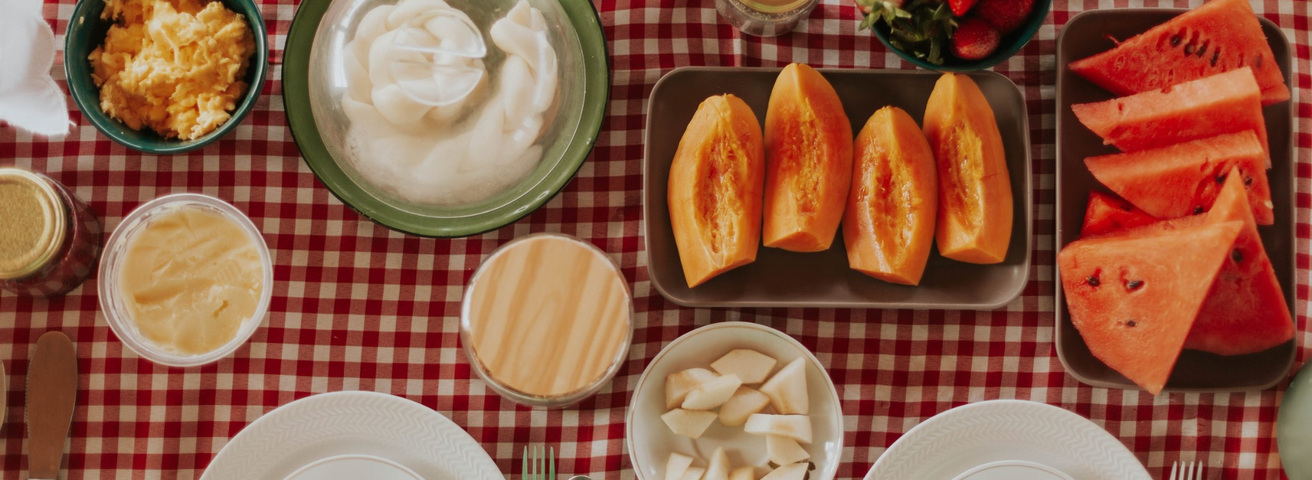
Choose whole fruit. Health guidance in Singapore recommends fresh fruit over fruit juice. Papaya, guava, apples and oranges are naturally sweet, and the sugars in whole fresh fruit do not count towards the free-sugar limit.
Reduce the sugar in drinks gradually. At the kopitiam or bubble tea counter, ask for less sugar ("siew dai") or none ("kosong"). Taste buds need time to adjust to less sweetness, so reduce gradually. For example, start by ordering siew dai at least once a day, then make it your usual order.
Enjoy desserts mindfully. Share a dessert or choose a smaller portion. Plain yoghurt topped with fresh fruit is a simple everyday option, as neither the natural sugars in milk nor those in whole fruit count as free sugars.
None of these changes requires giving anything up permanently. They simply make the lighter option the everyday choice.
Why prevention matters
Type 2 diabetes often develops gradually. WHO notes that its symptoms can be mild and may go unnoticed for several years. Prediabetes, the stage before type 2 diabetes, usually has no clear symptoms.
The positive news is that WHO identifies lifestyle change as a key way to prevent or delay type 2 diabetes. Alongside a healthy diet, WHO recommends at least 150 minutes of moderate physical activity each week. A brisk walk on most days makes a meaningful difference.
When to get screened
Because early diabetes is easy to miss, a blood test is the reliable way to know your status. WHO notes that blood glucose testing is a relatively inexpensive way to detect diabetes early.
In Singapore, HealthHub recommends cardiovascular risk screening, which includes screening for diabetes, once every three years from age 40. Adults aged 18 to 39 can complete HealthHub's Diabetes Risk Assessment, which identifies those who may be at risk of undiagnosed type 2 diabetes. If you live outside Singapore, ask your doctor which recommendations apply to you.
Signs to discuss with a doctor
Do not wait for your next screening if you notice any of the following, particularly if they persist:
- excessive thirst
- urinating more often than usual
- tiredness
These signs have many possible causes, and only a doctor's test can diagnose diabetes.
The role of home monitoring
For people diagnosed with diabetes, a home blood glucose meter is a practical everyday tool. HealthHub explains that home monitoring helps you understand how food, activity, stress and medicines affect your blood sugar, and allows you to compare your readings with your doctor's tests. If a reading falls within the range HealthHub lists as unacceptable, it advises contacting your doctor as soon as possible.
A home meter supports monitoring. It does not replace a diagnosis or your doctor's care.
A sweet piece of history
The link between diabetes and sugar was recognised long ago. Physicians in ancient India called the condition madhumeha, meaning "honey urine", because ants were attracted to it.
Key figures
| What | Figure | Source |
|---|---|---|
| Free sugars, upper limit | Below 10% of daily energy | WHO |
| Free sugars, ideal | Below 5%, about 25 g or 6 teaspoons a day | WHO |
| One can of sugar-sweetened soft drink | Up to 40 g, about 10 teaspoons | WHO |
| Physical activity | At least 150 minutes a week (moderate) | WHO |
| Diabetes screening (Singapore) | Every 3 years from age 40 | HealthHub |
| Normal fasting blood glucose | Below 6.1 mmol/L (110 mg/dL) | HealthHub |
| Prediabetes, fasting blood glucose | 6.1–6.9 mmol/L (110–124 mg/dL) | HealthHub |
Frequently asked questions
Does fruit count as sugar?
Whole fresh fruit does not count towards WHO's free-sugar limit. Fruit juice, honey and syrups do.
Is 6 teaspoons a strict daily limit?
Six teaspoons reflects WHO's ideal level. The core recommendation is to stay below 10% of daily energy intake; reducing this to below 5% (about 6 teaspoons) provides further benefit.
I feel well. Do I still need screening?
Yes. Prediabetes has no clear symptoms, and type 2 diabetes can take years to become apparent. In Singapore, screening is recommended every three years from age 40.
Can a home glucose meter tell me if I have diabetes?
No. Diagnosis requires a doctor's test. A meter helps people monitor their blood sugar and share readings with their doctor.
When to see a doctor
- If you are 40 or older and have not been screened in the last three years (Singapore guidance).
- If you are aged 18 to 39 and a risk assessment indicates you may be at risk (Singapore guidance).
- If you experience persistent thirst, frequent urination or tiredness.
- If home readings fall outside the range your doctor has set.
Guidance differs between countries. Always follow the advice of your own doctor and your local health authority.
Product: SD CodeFree™ Blood Glucose Monitoring System

A compact blood glucose meter from SD Biosensor, designed for everyday monitoring.
- No coding required when opening a new pack of test strips.
- Uses a 0.9 µL capillary blood sample and gives a result in 5 seconds.
- Measures blood glucose from 0.6 to 33.3 mmol/L.
How it fits: a tool for tracking blood sugar between check-ups, with a memory of 500 results to review with your doctor.
Monitoring, not diagnosis. Diagnosis requires a doctor's test.
Please consult your healthcare professional for the interpretation of the result and diagnosis.
Disclaimer
This article is for general information only and is not medical advice. It does not replace a consultation with a doctor or other qualified health professional. A home glucose meter does not diagnose diabetes. Screening recommendations quoted are from Singapore; guidance may differ in your country, so follow the advice of your own doctor and local health authority.
References